Most of the homes I sell are not anybody's only home. They are the place a family comes for the holidays and the powder days, the second home they fell for years ago, the property they are ready to pass on to the next owner. That makes selling here different from selling almost anywhere else. You are putting a high-value asset in front of a buyer pool that stretches across the country and around the world, most of whom will judge it online, from far away, before they ever set foot inside. Doing that well is a craft, and after more than twenty years and over $900 million in sales in this valley, it is one I take seriously.
So if you are even starting to think about selling, here is exactly how I approach it, soup to nuts. No mystery, no sales pitch dressed up as strategy. Just the way I actually work a listing, and what you should expect and plan for along the way.
It Starts With the Right Price, Built on Real Data
Pricing is where a sale is won or lost, and I do not pull a number out of the air or tell you what you want to hear to win the listing. I build a comparative market analysis on your specific home, and I walk you through all of it. That means three things. First, I audit the homes currently on the market, the ones a buyer would put side by side with yours, so we know exactly what you are competing against today. Second, I pull the recent comparable sales that have actually closed, because what buyers paid is far more telling than what sellers are asking. Third, I study the gap between list price and final sale price, along with how long those homes sat before they sold, which tells us whether the market is rewarding ambitious pricing or punishing it right now.
Two truths shape how I price. A home draws its strongest interest in the first two or three weeks it is on the market, when every waiting buyer and agent takes a look, so the launch price has to be right the first time. And a home is only truly comparable to others in its own price tier and type, not just its neighborhood: the buyer for a $4 million home is a different person than the buyer for a $2.5 million home a block away, so I weigh the sales that share your home's actual buyer pool. Overprice it and you burn that opening window getting overlooked, and a price cut weeks later quietly tells the market something is wrong with the home, which costs you more than getting it right would have. Pricing to the market is not the same as underpricing it. It is how you create competition instead of collecting dust.
This matters even more here because the Vail Valley is really a dozen markets stacked into one. A condo in Lionshead, a single-family home in Beaver Creek, and a place down-valley in Edwards or Eagle each move to their own rhythm. A price that is right for one submarket can be badly wrong for another. If you want to see how I read the market as a whole, my mid-year market update lays out where prices, inventory, and the luxury tier sit right now.
What Are You Optimizing For: Speed or Top Dollar?
Before we settle on a number, I ask every seller a question that shapes everything else: what matters more to you, selling quickly or selling for the absolute most the market will bear? Those two goals usually pull in different directions, and they are rarely the same thing. If you have the luxury of patience, we can price to capture full value, market the home widely, and wait for the right buyer who pays a premium for exactly what your property offers, even if that takes a season or two. If you are working against a clock, whether for a move, an estate, or another purchase you are trying to close, the strategy changes: we price more assertively to the market, lean harder on the marketing push, and put certainty and speed ahead of squeezing out the last dollar. Neither path is wrong. What gets sellers into trouble is chasing one while expecting the results of the other. So before anything else, I get clear on your real priority and your honest timeline, and then I build the pricing and marketing plan around the answer.
There is also a quieter path that can serve both goals. When it fits, I can take a home to market privately first, through a pre-marketing or coming-soon phase before it ever hits the public listings. That lets us gauge real buyer interest, and even test an ambitious price, without the clock running up days on market and without a public price cut on the record if we decide to adjust. For sellers who value discretion, or who want to reach for top dollar without the risk of a stale-listing label, it is a real option worth talking through.
Presentation That Matches the Price
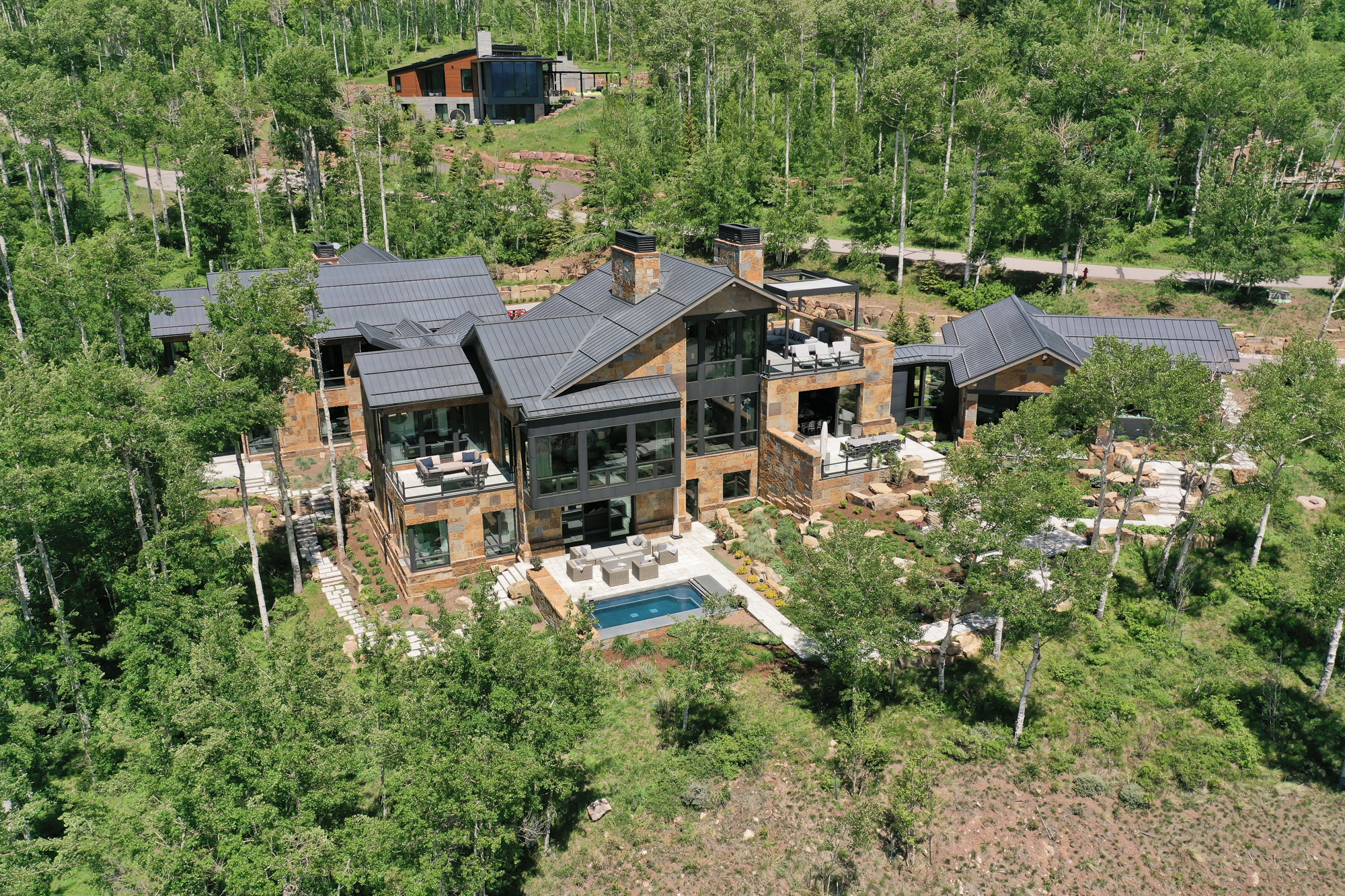
Once we have the right price, the home has to look the part, and this is where a lot of listings quietly leave money on the table. When you list with me, professional marketing is included as part of the service, not nickel-and-dimed as add-ons. Every listing gets professional interior photography that shows the home at its best, exterior photography that captures the property and its setting, and aerial drone video that puts the home in its full mountain context. For a Vail Valley property, where the views, the land, and the proximity to the slopes are a real part of the value, showing it from the air is not a gimmick. It is how you make a buyer in Dallas or Mexico City feel the place before they get on a plane.
Rather than just take my word for it, look at the work. Watch the cinematic aerial tour of my flagship listing, 780 Potato Patch Drive in Vail, to see how drone video can make a buyer feel a home from a thousand miles away, then browse its full photo gallery and the photography on a Beaver Creek residence at 51 Offerson Road. That level of presentation is what every home I list receives, whatever the price. You can browse all of my current listings to get a feel for the standard.
A Few Things Worth Doing Before You List
Small moves before the sign goes up tend to pay for themselves. I often suggest a pre-listing inspection so we find anything a buyer's inspector would, on our timeline rather than mid-negotiation, which heads off surprises and keeps escrow moving. I like to have the HOA documents, the survey, and the disclosures gathered before we go live, because a deal that stalls waiting on paperwork is a deal that can wobble. Visible deferred maintenance is usually worth handling, since buyers tend to discount a problem they can see by far more than it would have cost you to fix it. The one caution is the opposite mistake: do not over-improve. If your home already sits at the top of its neighborhood's price range, a big renovation often will not return what you put into it, and I will tell you honestly where that line is. More often than not, a clean, lightly staged presentation beats an expensive remodel right before a sale.
What It Costs to Sell, Honestly
Nobody likes surprises at the closing table, so I put the numbers in front of every seller before we list, in a clear net-proceeds estimate. Here is the honest picture.
The commission. Real estate commissions are fully negotiable and have never been set by law, and we agree on yours up front. It is worth knowing that the national rules changed in August 2024: offers of compensation to a buyer's agent can no longer be posted on the MLS, and buyers now sign a written agreement with their own agent before they tour homes. As a seller you can still choose to offer a concession toward the buyer's agent fee, which often keeps the buyer pool wide, and that is a strategy decision we make together. These rules are still being worked out through ongoing litigation, so keeping you current on them is part of my job.
Colorado closing costs. A handful of standard items fall to the seller here. By Colorado custom you typically pay for the owner's title insurance policy and the small state documentary fee, and because Colorado bills property taxes in arrears, you credit the buyer at closing for the share of this year's taxes that accrued while you owned the home. Add recording fees and any homeowners-association transfer fees on the seller's side. None of these are huge on their own, but they add up, and they belong in your estimate from day one.
Transfer tax or assessment. Depending on where your home sits, a one-time transfer cost may apply. The Town of Vail charges a 1% transfer tax and the Town of Avon charges 2%. Unincorporated Eagle County has no municipal transfer tax, but that does not always mean zero transfer cost: many communities here levy their own transfer assessment instead. Beaver Creek, for example, has a 2.375% real estate transfer assessment. Who pays a transfer tax or assessment is negotiated in the contract, and the Beaver Creek assessment is traditionally split 50-50 between buyer and seller, so it is one of the terms I work in your favor.
The taxes that need a professional. Two bigger items deserve a real advisor, and I will coordinate with yours. The first is capital gains. The federal exclusion of up to $250,000 of gain for a single seller, or $500,000 for a married couple, applies only to a primary residence you lived in for at least two of the last five years. Most homes here are second homes, which generally do not qualify, so plan on the gain being taxable, keeping in mind that improvements you have made raise your basis and reduce it. The second is FIRPTA, which applies if you are a foreign owner: the buyer must generally withhold 15% of the sale price for the IRS, and because most homes here sell above $1 million, foreign sellers should plan for the full amount and look into a withholding certificate to reduce it ahead of closing. For more on the cross-border side, my guide to buying from out of state or abroad covers the same ground from the buyer's seat.
Timing, and the Reach to Sell
This is a resort market, and demand moves with the seasons. There is a wave of motivated buyers over the winter, especially around the holidays when people are here and the mountains are doing the selling for me, and a second push that lists in spring and closes through the summer. The best window depends on your home, your submarket, and where prices and inventory sit when you are ready, which is exactly the kind of call I help you make.
The last piece is reach. Because most buyers here come from somewhere else, your home has to travel. As a broker with Slifer Smith and Frampton, the valley's leading luxury firm, I can market your home through its national and international network, including its membership in Forbes Global Properties, putting it in front of qualified buyers well beyond Colorado. Beyond the photography and video, I make sure a listing reaches buyers across the country and abroad, and if a buyer is more comfortable in Spanish, we support them at every step through trusted resources we have at our disposal, which widens the pool in a way most listings in this valley never tap. Pair that with more than two decades of relationships in this market, and your home gets in front of the people most likely to buy it.
Let's Talk Before You List
The best time to call me is before you have decided anything. A good listing conversation starts weeks or even months ahead, with an honest read on price, a punch list of small things worth doing first, and a plan for timing. There is no pressure in it and no cost to it. I grew up in this valley, I have sold here for more than twenty years, and I would rather give you a straight answer early than a rushed one later. Sometimes that answer is that waiting a season will earn you more, and if that is what the numbers say, that is what I will tell you, even when it is not the fast commission. When you are ready to think it through, reach out, and we will look at your home and the market together.
Related reading: Mid-year market update · Buying from out of state or abroad · Neighborhood guides
Frequently Asked Questions
How do you decide what to list my home for?
With data, not a guess. Before I suggest a number, I build a comparative market analysis on your specific home: I audit the homes currently on the market that a buyer would weigh against yours, I pull the recent comparable sales that have actually closed, and I look hard at the gap between list price and final sale price, along with how long those homes took to sell. In a market as segmented as this one, where Vail Village, Beaver Creek, and down-valley Edwards or Eagle each behave differently, that homework is what separates a home that sells from one that sits. I walk you through every comparable so the price is a decision we make together, with the evidence in front of us.
Should I price for a quick sale or for the highest possible price?
Those are usually two different goals, and the right answer depends on your timeline. If you can be patient, we can price to capture full value and wait for the buyer who pays a premium for what makes your home special, which often means more money but a longer wait. If you are in a hurry, we price more assertively to the market and lean harder on marketing to create speed and certainty, usually trading away the last few dollars to get it sold. The mistake is chasing top dollar while needing a fast sale, or the reverse. The first thing I do is get clear on which one you actually want, then build the plan around it.
Can I sell my home without putting it on the public market?
Often, yes. When it suits your goals, I can take a home to market privately first, through a pre-marketing or coming-soon phase before it appears on the public listings. That lets us gauge real buyer interest and even test an ambitious price without running up days on market, and without a public price reduction on the record if we decide to adjust. It is a good fit for sellers who value discretion or who want to reach for top dollar without the downside of a listing that looks like it has been sitting. We would talk through the tradeoffs, since a fully public launch reaches the widest pool.
What marketing is included when I list my home with John Tyler?
A full professional package, included, not billed as extras. That means professional interior photography that shows the home at its best, exterior photography that captures the setting, and aerial drone video that puts the property in its mountain context, which matters enormously for Vail Valley homes where the views and the land are part of the value. Presentation is not a luxury at this price point, it is how you reach a national and international buyer who is shopping online first. The goal is simple: your listing should look as good as the home actually is.
What should I do to get my home ready before I list it?
A few targeted moves usually pay for themselves. I often recommend a pre-listing inspection so we surface anything a buyer's inspector would find, on our timeline instead of mid-negotiation, and having the HOA documents, survey, and disclosures gathered before we go live so the deal does not stall on paperwork. Handle visible deferred maintenance, since buyers discount a problem they can see by more than it costs to fix. The caution is not to over-improve: if your home already sits at the top of its neighborhood's price range, a major renovation often will not return what you put in. Usually a clean, lightly staged presentation beats an expensive remodel right before a sale, and I will tell you honestly where that line is for your home.
What does it cost to sell a home in the Vail Valley?
The main costs are the real estate commission, which is fully negotiable and which we agree on up front, plus standard Colorado closing costs. In Colorado the seller customarily pays for the owner's title insurance policy and the small state documentary fee, credits the buyer for the property taxes that accrued during your ownership (Colorado bills property tax in arrears), and covers recording and any HOA transfer fees on the seller's side. Depending on the town, a real estate transfer tax may also apply. I give every seller a net-proceeds estimate before we list so there are no surprises at closing.
Did the 2024 commission rule changes affect what I pay to sell?
They changed how it works, not whether it is negotiable. Real estate commissions have always been negotiable and have never been set by law. As of the national practice changes that took effect in August 2024, offers of compensation to a buyer's agent can no longer be posted on the MLS, and buyers now sign a written agreement with their own agent up front. A seller can still choose to offer a concession toward the buyer's agent fee, which is often what keeps the buyer pool wide. These rules are still evolving through ongoing litigation, so part of my job is keeping you current on where they stand when you list.
Who pays the real estate transfer tax when I sell in Vail?
It depends on the contract. The Town of Vail charges a 1% real estate transfer tax and the Town of Avon charges 2%. Unincorporated Eagle County has no municipal transfer tax, but many communities here levy their own transfer assessment instead: Beaver Creek, for example, has a 2.375% real estate transfer assessment. Who pays a transfer tax or assessment, seller, buyer, or split, is not fixed by law or custom: it is negotiated and written into the purchase contract, and the Beaver Creek assessment is traditionally split 50-50 between buyer and seller. It is one of the terms I negotiate on your behalf, and some towns also have exemptions, such as Avon's partial break for a primary residence.
Will I owe capital gains tax when I sell my Vail home?
Possibly, and for most Vail sellers the answer is yes. There is a federal exclusion of up to $250,000 of gain for a single filer or $500,000 for a married couple, but only on a primary residence you owned and lived in for at least two of the last five years. Most Vail Valley homes are second homes or investment properties, which generally do not qualify, so the gain is typically taxable. Capital improvements you have made can raise your cost basis and reduce the gain. This is genuinely tax-advisor territory, and I am glad to coordinate with your CPA, but you should plan for it rather than be surprised by it.
I am a foreign owner selling a Vail home. What is FIRPTA?
FIRPTA is a federal law that requires the buyer to withhold a portion of the sale price, generally 15%, when the seller is a foreign person, and send it to the IRS as a prepayment against your US taxes. Because most Vail Valley homes sell well above $1 million, the lower-priced exceptions usually do not apply, so foreign sellers should plan for the full 15% withholding. The amount can often be reduced ahead of closing through an IRS withholding certificate, and the withholding is not your final tax, it is reconciled on a US return. If you are a foreign owner, we line up a cross-border tax advisor early.
When is the best time to sell in the Vail Valley?
This is a resort market, so demand moves with the seasons. There is a pulse of motivated buyers over the winter ski season, especially around the holidays when people are here and falling in love with the place, and a second wave of activity that lists in spring and closes through the summer. The right timing depends on your specific home and submarket, and on where prices and inventory sit when you are ready. My mid-year market update is the place to see where things stand right now, and I am happy to map your home's best window.